




Other CT Humanities Programs

Creative Commons Licensing


Now Viewing:
Windsor
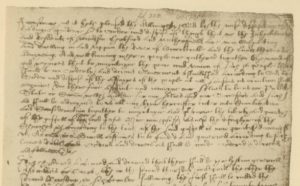
The Fundamental Orders of Connecticut
The Fundamental Orders, inspired by Thomas Hooker’s sermon of May 31, 1638, provided the framework for the government of the Connecticut colony from 1639 to 1662.
Read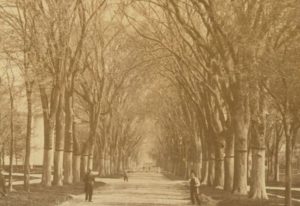
A Beautiful and Goodly Tree: The Rise and Fall of the American Elm
Almost every Connecticut town has an Elm Street, named for the popular trees that grew in abundance until a fungal infestation greatly diminished their numbers.
Read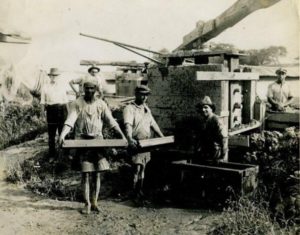
Building a Nation Brick by Brick
Brick making was an important industry in Windsor even in its colonial days.
Read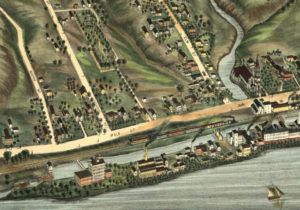
The Windsor Economy: A River Ran Through It
Windsor’s location on the Connecticut River shaped the area’s development dating back to its earliest recorded years.
Read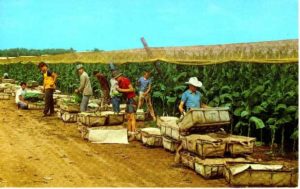
Literacy Tests and the Right To Vote
Connecticut was the first state to require a literacy test of would-be voters and, even as the practice came under fire as a tool of discrimination, the state held steady until 1970.
Read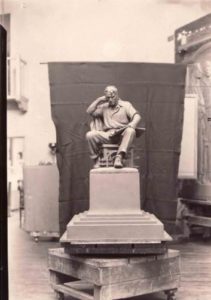
Evelyn Beatrice Longman Commemorates the Working Class
“Industry,” also known as “The Craftsman,” by Evelyn Longman, resides in Hartford and is a celebration of the working class and their contribution to society.
Read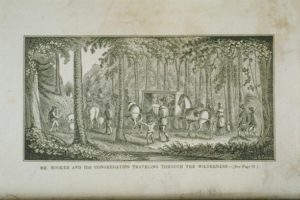
The Importance of Being Puritan: Church and State in Colonial Connecticut
Connecticut Protestants wanted to cleanse the church of what they saw as corruption, and to return to the simplicity and purity of early Christian worship.
Read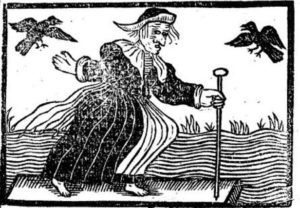
Alse Young Executed for Witchcraft – Today in History: May 26
On May 26, 1647, Alse Young of Windsor was the first person on record to be executed for witchcraft in the 13 colonies.
Read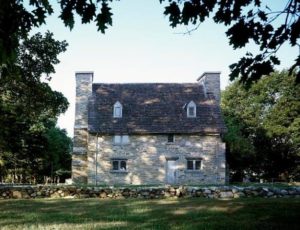
J. Frederick Kelly: Constructing Connecticut’s Architectural History
J. Frederick Kelly was both a well-known architect, preservationist, and architectural historian, whose works chronicled many of Connecticut’s historical properties.
Read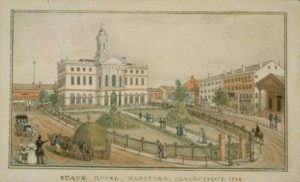
Jackson v. Bulloch and the End of Slavery in Connecticut
Nancy Jackson sued for her freedom in 1837. Her victory helped further the abolitionist cause in a state slowly moving toward outlawing slavery.
Read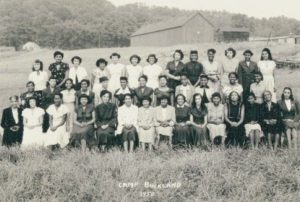
Laboring in the Shade
Thousands of Black Southern students, including a young Martin Luther King Jr., came north to work in Connecticut’s tobacco fields.
Read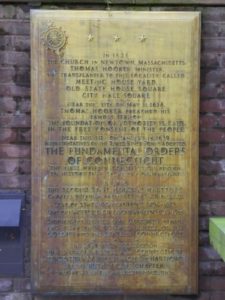
The Fundamental Orders: Connecticut’s Role in Early Constitutional Government
The Fundamental Orders represent what many consider to be the first written constitution in the Western world.
Read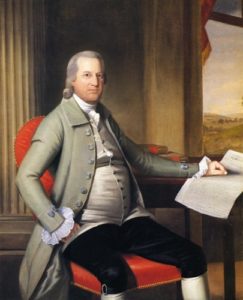
Oliver Wolcott Dies – Today in History: December 1
On December 1, 1797, signer of the Declaration of Independence Oliver Wolcott died while serving his term as Connecticut’s governor.
Read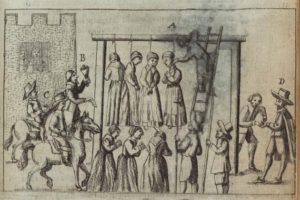
Witchcraft in Connecticut
Well before the Salem trials, Connecticut residents were executing “witches.” Connecticut is home to what was most likely the first execution of its kind in colonial America.
Read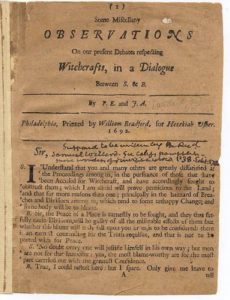
Accidental Shooting Leads to Witchcraft Conviction – Today in History: October 3
On October 3, 1651, Henry Stiles of Windsor was killed when the gun of Thomas Allyn, also of Windsor, accidentally discharged during a militia exercise.
Read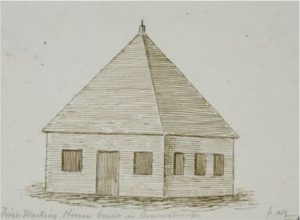
The Free Consent of the People: Thomas Hooker and the Fundamental Orders
Government formed with the consent of the people was a radical idea in the age of nations ruled by monarchs, emperors, and tsars.
Read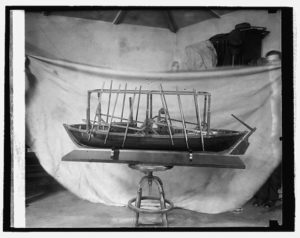
John Fitch Born – Today in History: January 21
On January 21, 1743, John Fitch, an inventor and pioneer in steamboat construction, was born in Windsor–a settlement in the British colony of Connecticut.
Read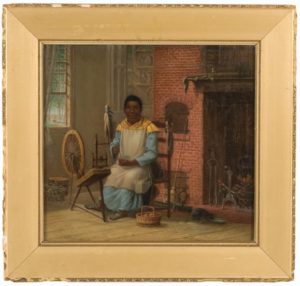
Nancy Toney’s Lifetime in Slavery
From scant evidence, including a portrait, gravestone, census data, and will, a partial image of a Connecticut life lived in slavery emerges.
Read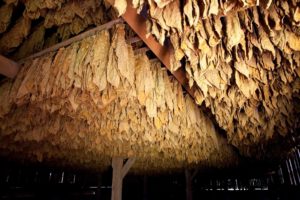
Windsor Tobacco: Made in the Shade
By the mid-19th century, the “Tobacco Valley,” Springfield, Massachusetts to Hartford, Connecticut had become a center for cash-crop production.
Read
An Orderly & Decent Government: Making Self-Government Work, 1634-1776
In 1698 the General Court reorganized itself to deal more effectively with Connecticut’s complex new problems.
Read An Orderly & Decent Government: Searching for the Common Good, 1634-1776
In the Great Awakening, impassioned evangelical ministers attracted crowds of thousands and the General Assembly promptly banned traveling preachers.
Read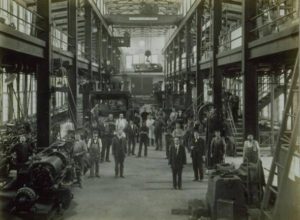
Christopher Miner Spencer, 19th-century Arms Manufacturer
Christopher Miner Spencer, from Manchester, obtained 42 patents during his lifetime and created the first successful breech-loading repeating rifle.
Read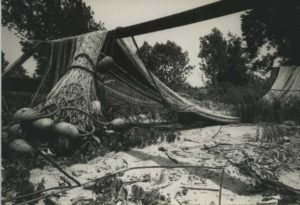
A Tale of Shad, the State Fish
The aquatic inhabitant, shad, has a long history of influencing foodways, income, and culture in the region.
Read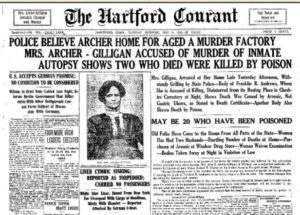
Windsor’s “Murder Factory”
It only took 4 hours for a jury to convict Amy Duggan Archer Gilligan of operating, what the Hartford Courant labeled, a “murder factory.”
Read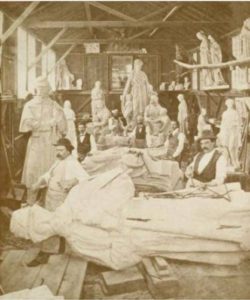
James G. Batterson, Stone Contractor
James G. Batterson was an artist, inventor, and businessman. He helped commemorate the Civil War through his proficiency with stone.
Read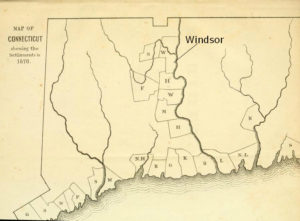
Connecticut’s Oldest English Settlement
The original Windsor settlement contained not only the town of Windsor but also what eventually became the towns of Enfield, Suffield, Simsbury, and others.
Read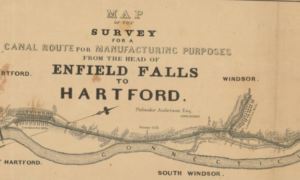
Windsor Engineers Success
In recognition of the importance of the canal and the village in fostering local economic development, the area was given the name Windsor Locks in 1854.
ReadMore Articles